Electric Car Brands: A Comprehensive Overview of the Market

The automotive world is shifting, and electric car brands are truly shaking up the global market. A seismic change, isn’t it? Fuelled by new tech, what buyers actually want, and a growing push for greener options. EVs aren’t just a niche; they’re now central to sustainable mobility. The market for electric car brands? A fascinating mix of old guard automakers getting with the program and fresh faces coming in hot.
Key Players in Electric Car Brands
So, who’s really winning the EV race right now? Intense competition among top electric car brands in 2024 and 2025 has been fascinating. BYD, honestly, surprised many. They truly stepped up, leading global EV sales through the first nine months of 2025. They pulled ahead of Tesla significantly in overall plug-in vehicle sales.
Tesla was the undisputed king of battery electric vehicles (BEVs) in 2024, no doubt. But even they felt the heat; their BEV market share dropped noticeably by 2025. Other big names like Volkswagen, Geely, General Motors, and Hyundai aren’t just sitting back. Massive investments in electric tech from these guys, all trying to hold their ground. Geely, for instance, had incredible growth in 2024, becoming one of the quickest-growing BEV brands out there. Impressive, I think.
Exploring Diverse Electric Car Brands
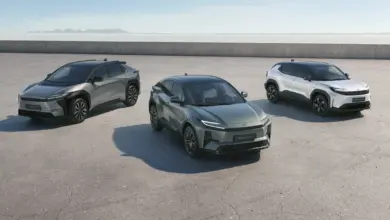
But let’s not just talk about the giants. The electric car brands scene is richer once you look past the absolute top sellers. Legacy automakers – BMW, Hyundai, Ford – are really pushing to expand their EV offerings. iX3s or Mustang Mach-Es are serious contenders.
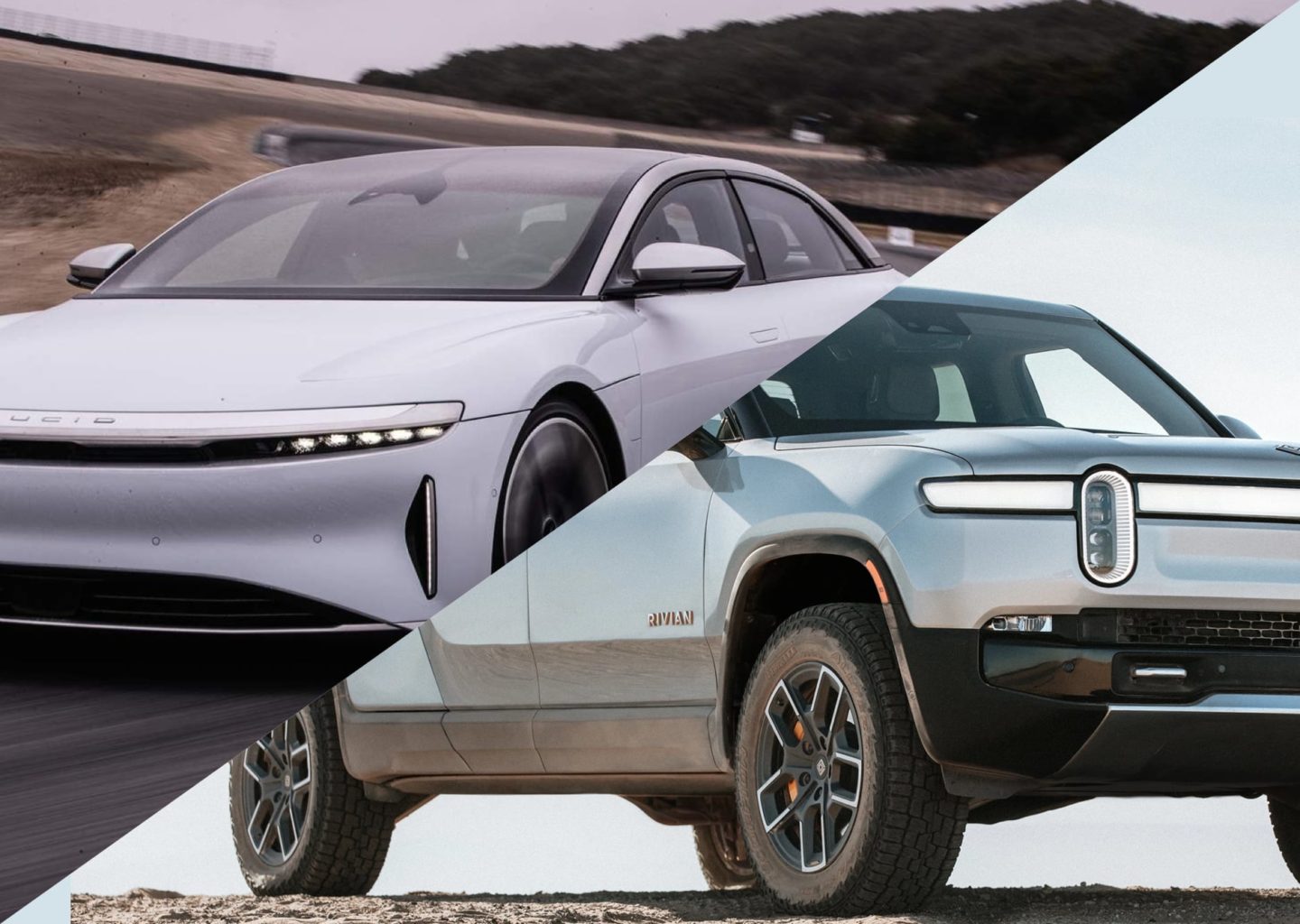
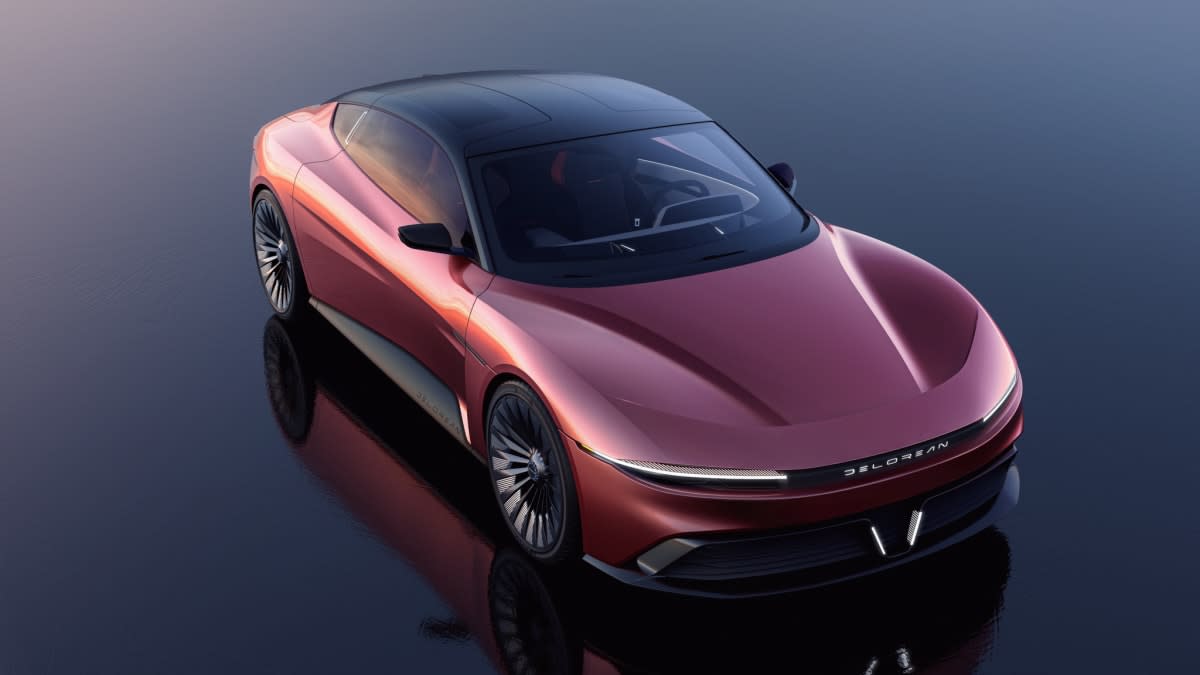
Then there are the newcomers, especially from China, making serious moves. Nio, Zeekr (Geely’s premium EV arm), XPeng, and Maxus (from SAIC) are all bringing out well-equipped, smartly priced electric cars. They’re actively challenging the old guard. VinFast, a fresh face, quickly gains attention with its focus on premium design and human-centered tech. Oh, and Nissan. Their LEAF has been around forever, launching way back in 2010 as one of the very first mass-market EVs. That’s a legacy we respect.
The Future of Electric Car Brands
So, where are electric car brands headed next? From my perspective, the future looks incredibly strong. Global EV sales are on a clear upward path, and frankly, I don’t see that changing soon. Experts predict by 2025, EVs will make up over 20% of all vehicle sales worldwide, with China, no surprise, leading that charge.
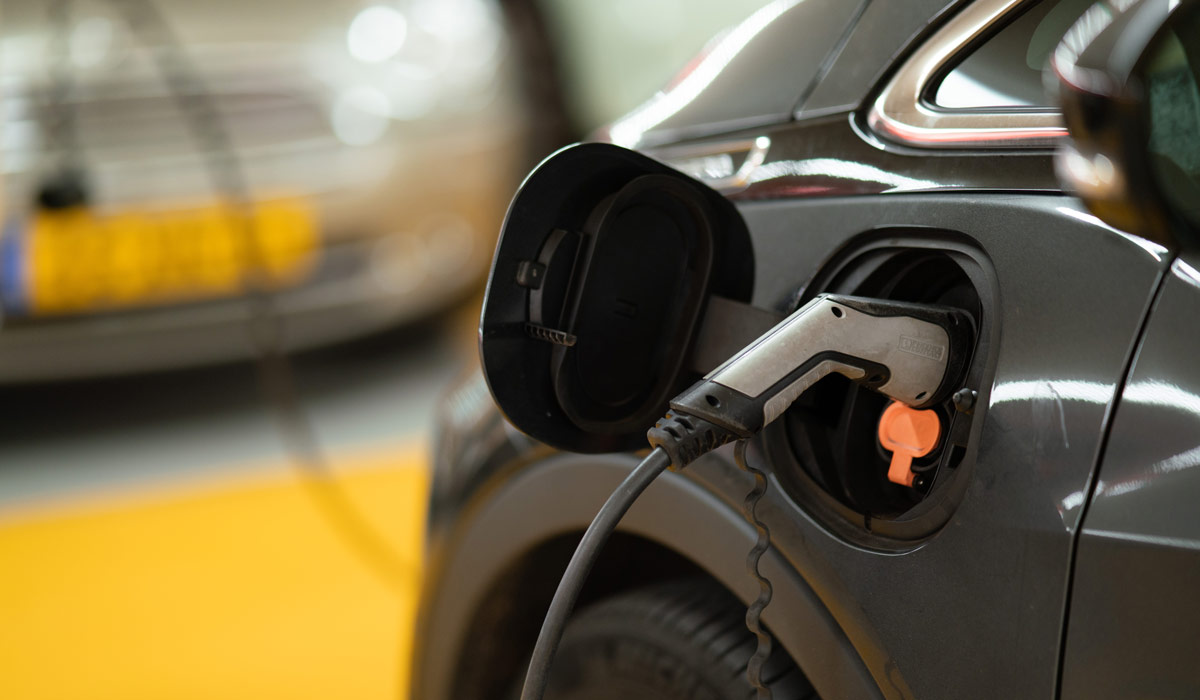
What’s fueling all this? Battery costs are coming down, which helps. Plus, more charging stations are popping up, and a wider choice of models at all prices. Big difference for buyers. We’re also seeing exciting innovations like Vehicle-to-Grid (V2G) tech, which lets your EV actually feed power back into the grid. Pretty cool, right? Even with the headaches of revamping factories and sorting out supply chains, traditional automakers are definitely all-in on an electric future.
Conclusion
The electric car market? Changing fast. Established players and nimble new brands are all pushing things forward.
More electric car brands and models, better tech, and a growing charging network mean one thing: this shift to electric vehicles isn’t just a fad. It’s happening, big time, everywhere.
FAQ
What really makes an electric car brand a leader?
A leading electric car brand generally shows strong sales, a decent market share, solid tech advances in batteries and software, and an attractive model range.
Are the old-school car brands really making the switch to EVs work?
They’re certainly trying. Many traditional car brands pour money into R&D and restructure factories—a huge undertaking. But real challenges exist: nagging supply chain problems and the big job of changing their whole business model. Not a simple flip.
What’s fueling the rise of all these new electric car brands?
Several things are at play. Battery tech improves. Growing buyer awareness of EV environmental and economic benefits, government incentives, more charging points, and a wider array of models all fuel growth. People want choices; these new brands deliver.