
Essential Electric Vehicle Maintenance to Keep Performance Optimal

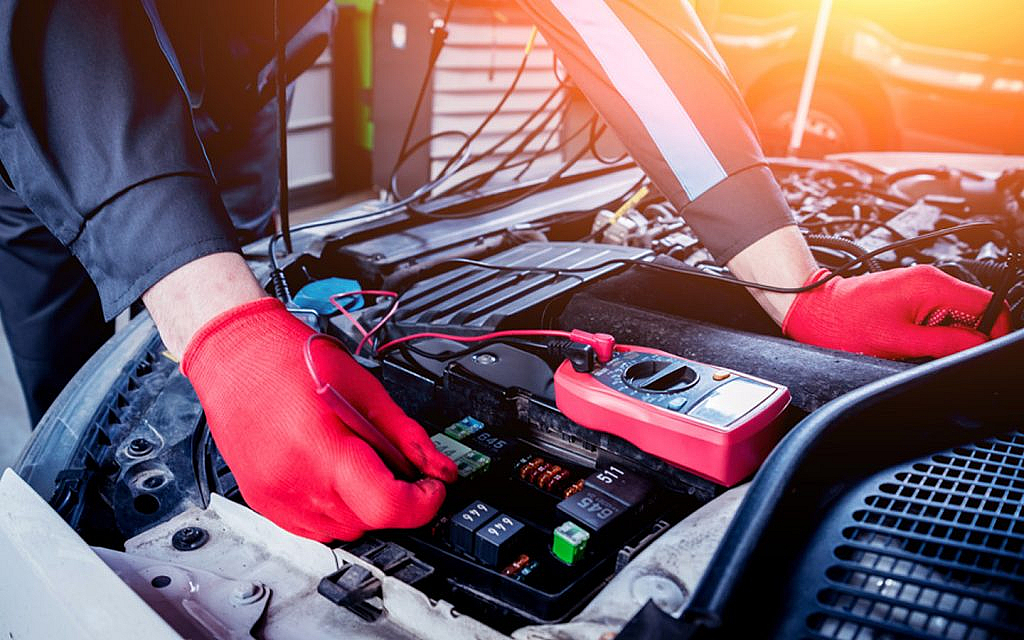
With electric vehicles growing in use, keeping them running well matters more for those wanting reliability, safety, and durability. While EVs don’t need as much mechanical attention due to simpler mechanics, regular care remains key. Because these cars differ from gasoline models, attentive upkeep avoids early damage; it also lowers unexpected expenses while supporting steady driving results.
Understanding the Core Components of an Electric Vehicle
Electric cars use a few essential parts – the battery, motor, regenerative brakes, along with built-in software. Since there’s no gas engine, upkeep is easier in some ways; however, the high-voltage battery and electronics need close attention. Understanding how each part functions helps drivers take action early, maintaining performance over time.
Battery Health: The Heart of EV Performance
The battery stands as the key part in any electric car, which means looking after it properly matters. Instead of always topping up to full, users ought to keep charges between 20% and 80%, except when preparing for extended drives. Since heat and cold impact efficiency, storing the vehicle away from direct sun or harsh weather supports longevity. Software upgrades usually bring tweaks that help regulate power use; therefore, applying them soon after release makes sense. When people adjust how they charge and where they park, lifespan improves noticeably.
Tire Maintenance for Efficiency and Safety
Tires are key to how well an EV drives since these vehicles usually weigh more than gas-powered ones – thanks to heavy batteries. That extra load wears down tires faster; therefore, checking them often is necessary. Correct air pressure boosts range, helps tires last longer, yet also supports grip on roads. Turning tires from front to back at intervals of around 8,000–10,000 km spreads out tread loss while keeping handling steady.
Brake System Care Through Regenerative Braking
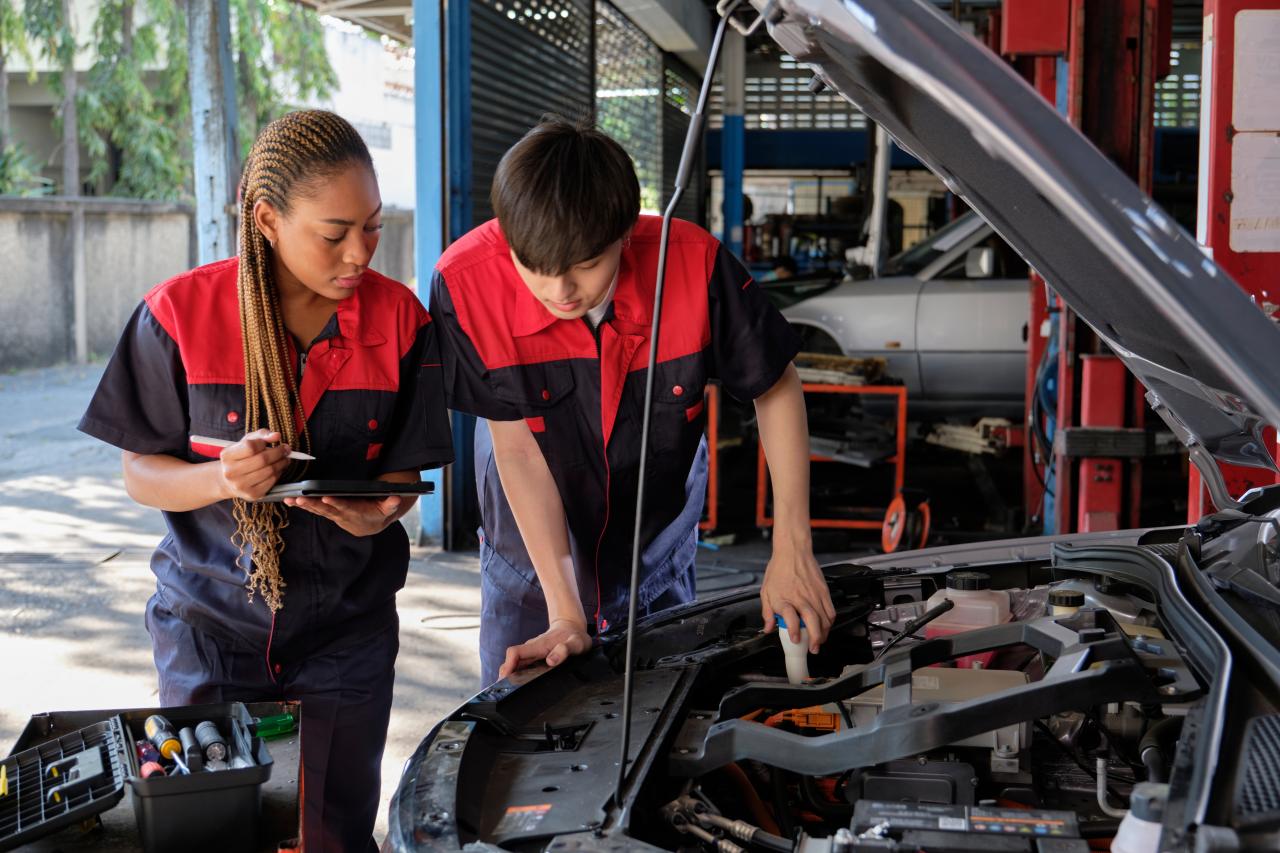
Electric vehicles utilize regenerative braking, which converts kinetic energy into stored battery power. While this system reduces wear on brake pads, regular inspections are still necessary to ensure safe operation. Moisture buildup, dust accumulation, or irregular usage patterns may result in differences in braking performance. Regular inspections prevent corrosion and ensure good response from the brakes under the most diverse road conditions.
Monitoring Cooling System and Fluids
While electric cars do not require oil changes, they do use some fluids, like coolant, for battery heat management. Checking on the coolant makes sure it is within the right temperatures and prevents overheating to prolong its lifespan. More routine maintenance checks should include those on brake washers and fluid.
Software Updates and Diagnostics
Electric cars nowadays rely on software for handling power use, route planning, safety technology, or driving performance. Firms often roll out upgrades boosting distance per charge, battery handling, yet reliability. Routine scans detect problems sooner-cutting repair bills while supporting steady function.
Conclusion
Caring for an electric vehicle means looking after mechanical parts as well as digital systems. Using smart charging routines, checking tire pressure along with brake condition, keeping an eye on fluid levels, or installing software updates helps keep the car running smoothly. Good upkeep improves longevity while contributing to safer, smoother trips. Regular attention allows EVs to perform better over time and aligns with eco-friendly transportation goals.
