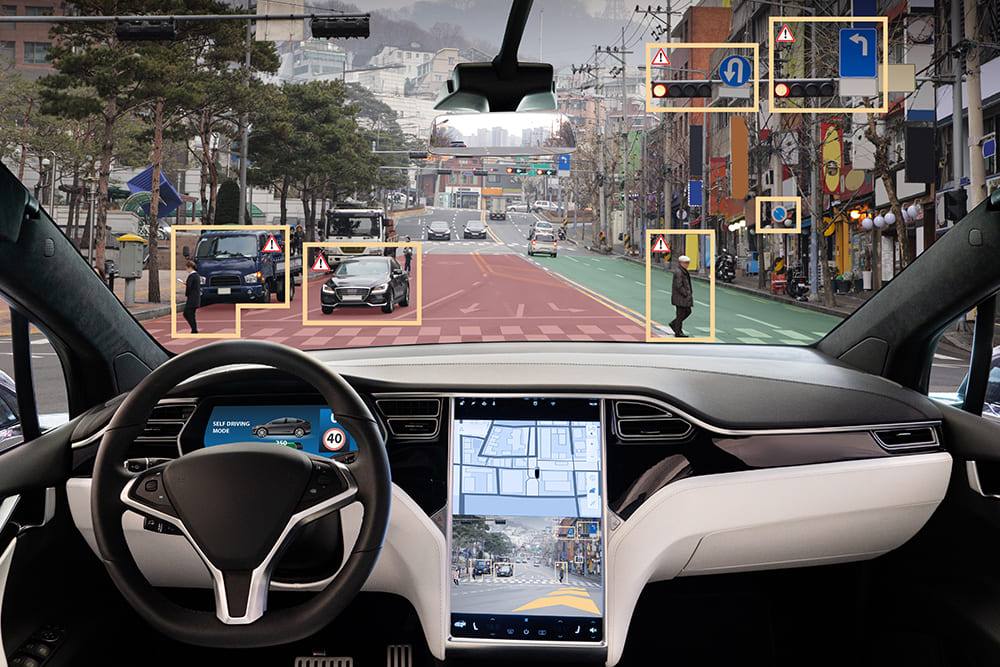
Smart technology changes the way people drive today, as it changes the way cars work, communicate, and react. It does more than just improve safety; it predicts repairs and offers custom settings inside the vehicle. Because of this, artificial intelligence shapes smarter travel solutions now. The drivers in question, averaging between 20 and 50 years of age, are those that would want practicality mixed with new ideas in technology. Their journeys can be much smoother, safer, and even enjoyable due to such upgrades.
AI and the Future of Driver Assistance
One huge influence of AI in cars is that it brings forth smarter safety features. These depend on sensors and cameras but also use live data to monitor environments. Features such as staying in lane or adjusting speed automatically reduce the margin of error made by drivers, as this is one of the chief causes of accidents. Because AI processes information faster than humans, vehicles react much quicker when conditions change unexpectedly, thus offering better protection for all on the road.
Personalized Driving Through Intelligent Interfaces
AI improves the way people drive by employing smart in-car technology. New cars learn the actions of drivers, their likes, and daily patterns by using adaptive software. With the ability to learn, seats, temperature, or media might automatically adjust based on who is driving. Voices of talking tools that understand ordinary speech add convenience: navigation, calls, or songs are operated without touching buttons. With these aids, comfort rises while disturbances decline, helping focus stay higher behind the wheel.
Smart Navigation and Realtime Traffic Intelligence
Gone are the days of fixed maps and stale directions. In their place, smart navigation tools utilize real-time traffic information, current states of the roads, coupled with historical trends to provide accurate route guidance. They predict delays, offer alternative routes, and enhance the time estimates by manifold. If that is not all, Artificial Intelligence detects risks such as accidents or severe weather conditions, thus allowing drivers to make early changes in plans. Consequently, daily trips become less stressful, faster, and better planned.

Improved Vehicle Health Monitoring and Predictive Maintenance
With smart technology, it’s now possible to monitor the condition of a vehicle, rather than relying on fixed service dates. Instead of waiting for a problem to happen, modern systems monitor parts performance over time. Continuous data flows in from sensors checking on everything from battery levels to tire strength. When something starts going wrong, drivers are given early warnings-often well before any serious damage occurs. Foresight like this cuts down on sudden failures and extends the life of cars while keeping them running more smoothly. It also helps make daily commutes easier for people relying on their vehicles without room for delays.
The Path to Autonomous Driving
Perhaps the most significant application of AI within cars is driverless technology. While completely driverless vehicles are not yet ready to hit the roads, partial automation is already possible in many existing car models. Features that may be considered typical now include self-parking, assistance with heavy traffic flow, and cruise control on highways. As AI technology gets even better with time, we’re getting closer to cars that will drive themselves–cutting crashes and changing how people get around.
Conclusion
AI enhances driving: it makes it safer, easier, and more personalized. With smart assistance for route planning or early detection of car problems, the journey becomes smoother, automated. And due to constant improvement, people in the future will drive cars that are more responsive, connecting comfort and safety in a world of emerging technological shifts.