Hybrid vs. Electric Cars: Which One Should You Choose?

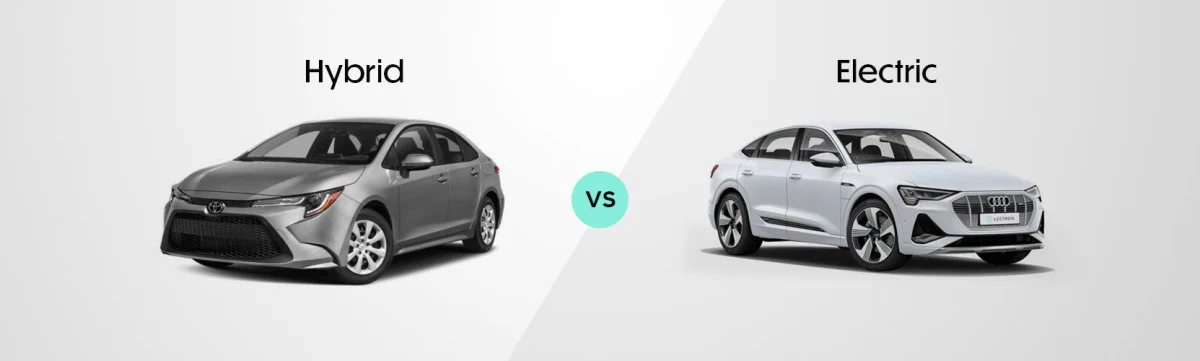
While cars worldwide move toward greener tech, people often weigh hybrids against full EVs. Yet both help the planet while delivering up-to-date rides. Still, they fit separate life styles, price ranges, or personal demands. So for folks from 20 to 50, knowing what each option can – or can’t – do matters most when matching a car to real-world use plus future plans.
Understanding Hybrid Cars: A Blend of Efficiency and Flexibility
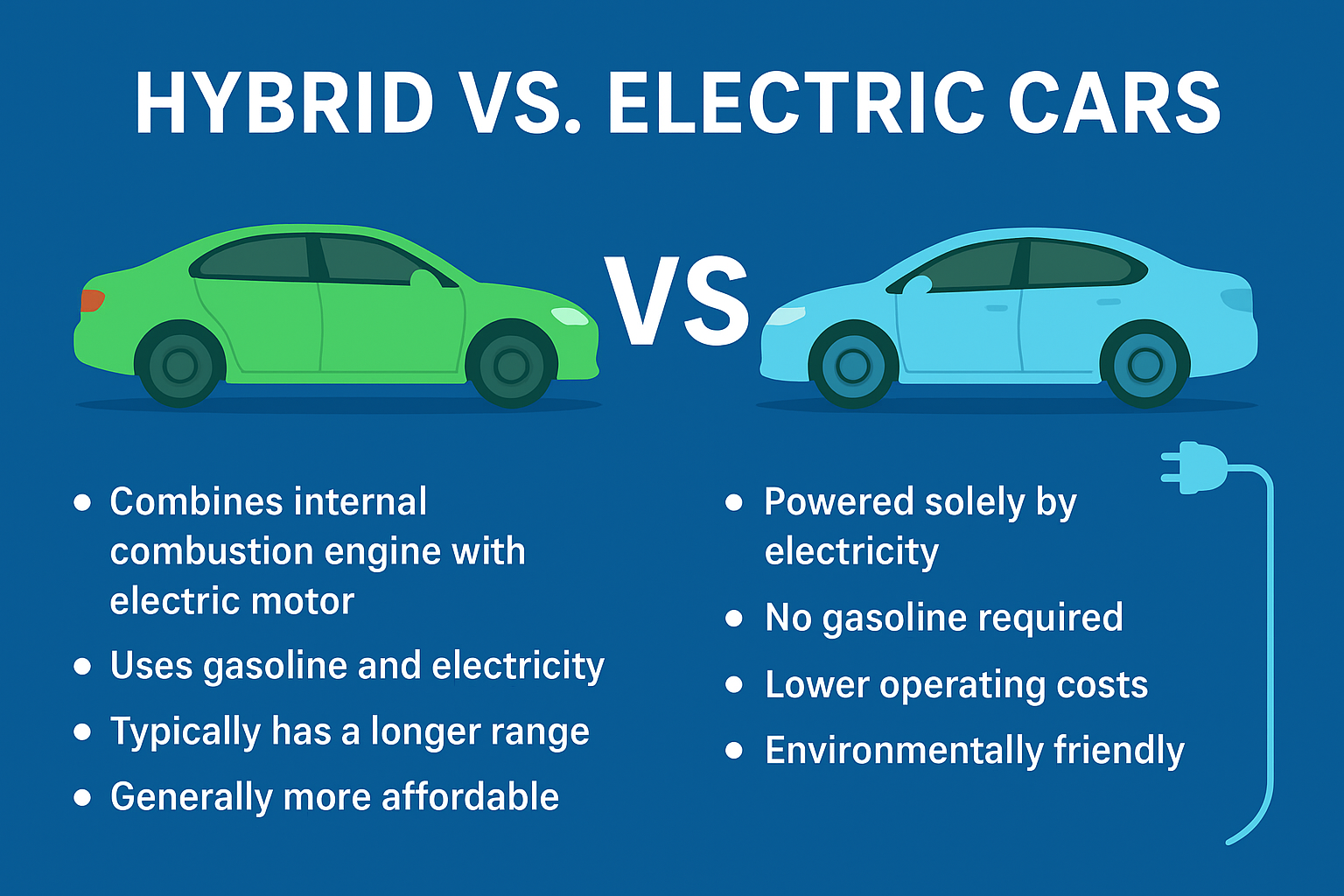
Hybrid cars use both a gas engine and an electric motor – these two power sources team up to save fuel while cutting down fumes. Because of this combo setup, you spend less on gas but don’t need to hunt for charging stations every time. For city commuters, hybrids work well since stop-and-go traffic uses regenerative braking to top off the battery, squeezing out extra miles. On top of that, they can go farther on a tank than most EVs, which makes them practical for road trips or anyone who likes filling up at regular pumps.
Advantages of Hybrid Cars
Hybrid cars do more than just save fuel – they work in cities or remote spots alike. Switching from gas to electric feels smooth, so you won’t get stuck where chargers are rare. Instead of paying top dollar like with full-electric models, these rides cost less up front. That draws in folks watching their spending. Taking care of one isn’t tricky either – most mechanics know the system well. Thanks to wide repair coverage, fixes don’t turn into headaches. They fit right into daily life, no big adjustments needed. A smart step forward, without going all-in on change.
Electric Cars: Embracing Full Sustainability
Electric cars run only on rechargeable batteries – many see them as key to cleaner travel down the road. They don’t release exhaust fumes, so they’re a solid pick for people who care about air quality. Thanks to immediate power delivery, these autos accelerate fast yet smoothly. On top of that, they tend to be hushed inside, have simpler mechanics, needing less upkeep over time. With newer battery designs emerging, range keeps going up, letting drivers go farther without plugging in.
Advantages of Electric Cars
Electric cars deliver strong power, use less energy, go further on a charge, also pack cutting-edge tech under the hood. Some include self-parking tools, remote software fixes, along with apps that track how you use electricity. Plugging in at your house beats public stations – no detours, just wake up ready to roll. In plenty of places, owners get cash back from taxes, pay less on bridges or tunnels, even skip traffic using express routes. Perks like these balance out the steep sticker price, making more folks consider switching.
Key Considerations When Choosing Between Hybrid and Electric
The choice of a hybrid or electric vehicle comes down to your own needs. Since every driver’s routine is different, things like how far you travel each day matter a lot. If you’ve got nearby chargers and don’t drive much, going fully electric might make sense. On the flip side, when refueling ease and lower costs are key, hybrids tend to work better. Some folks want high-tech features – those people often lean toward EVs. Others care more about not worrying mid-trip; they usually prefer hybrids.
Conclusion
Hybrids and EVs help move us closer to eco-friendly rides. Even though hybrids mix fuel savings with everyday ease, electric models hint at zero-emission travel ahead. Depending on your daily routine – and what perks you value – picking one can match both habits and planet care. Go hybrid or go full electric; either way, better transport choices are shaping a fresher, smarter car world.