The Evolution of Sports Cars: From Muscle to Electric Power

Sports cars turn heads everywhere – icons of fast rides, strong engines, sometimes sharp design. They’ve changed a lot through the years: loud classic engines are giving space to smooth, quiet electric models. This move? Not only due to upgraded gear. What people want plays a role, along with worldwide trends steering progress. Anyone between 20 and 50 could find value in tracking this path, seeing how smart tweaks, intense power, or new approaches keep reshaping what comes next for these exciting vehicles.
The Era of Muscle Cars: Power and Personality
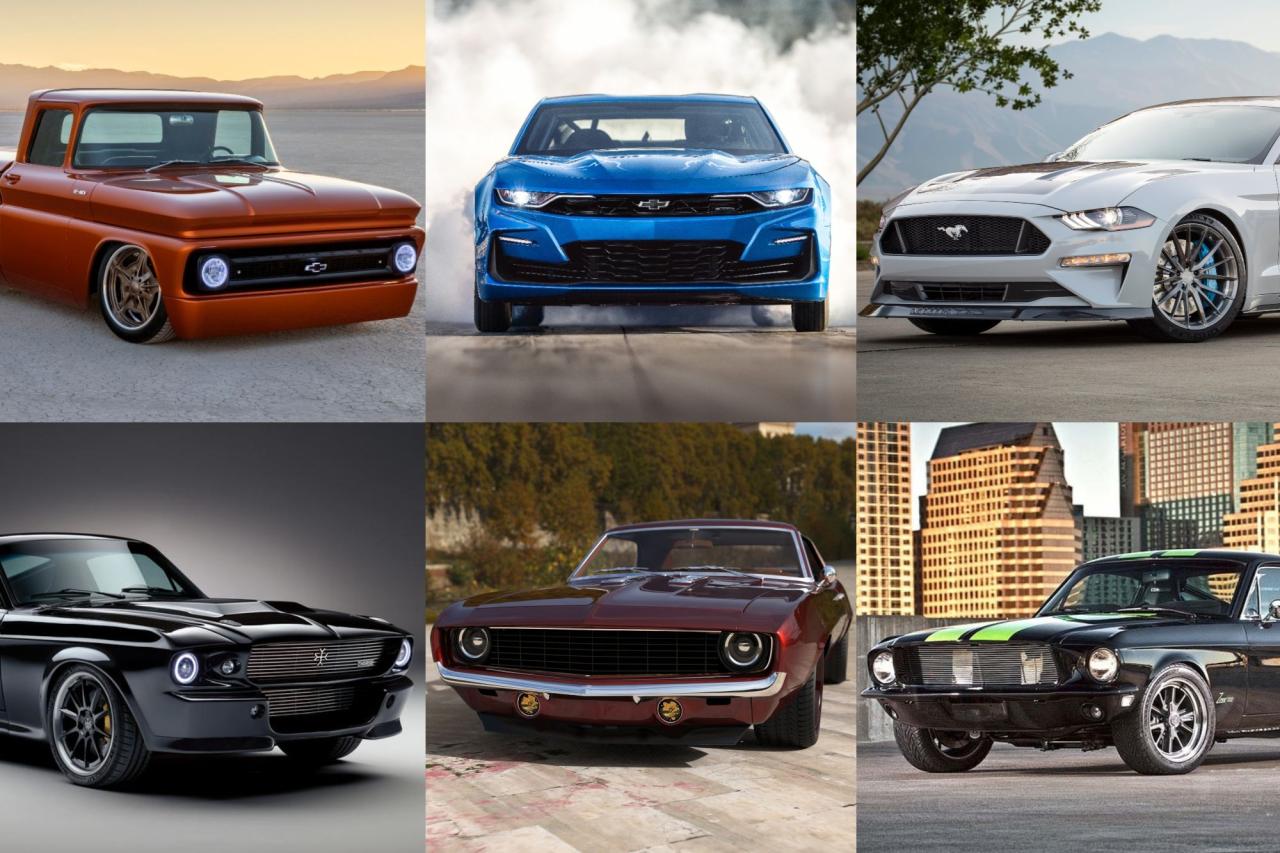
The story of fast cars hits its stride in the ’60s and ’70s muscle era. Heavy two-doors with loud V8 engines – no digital tricks, just power heading to the rear wheels, usually dressed in bold, flashy designs. Take the Ford Mustang, Chevy Camaro, or Dodge Charger – machines that turned into symbols of U.S. car life. Comfortable cruising? Sharp turns? Nah – it was all about brute engine strength, exhaust noise you could feel, quick sprints down open roads. Simplicity was key – pure mechanics. Still, they brought excitement, standing for liberty, uniqueness, or bold personality on display.
Modern Performance Cars: Precision Over Pure Power
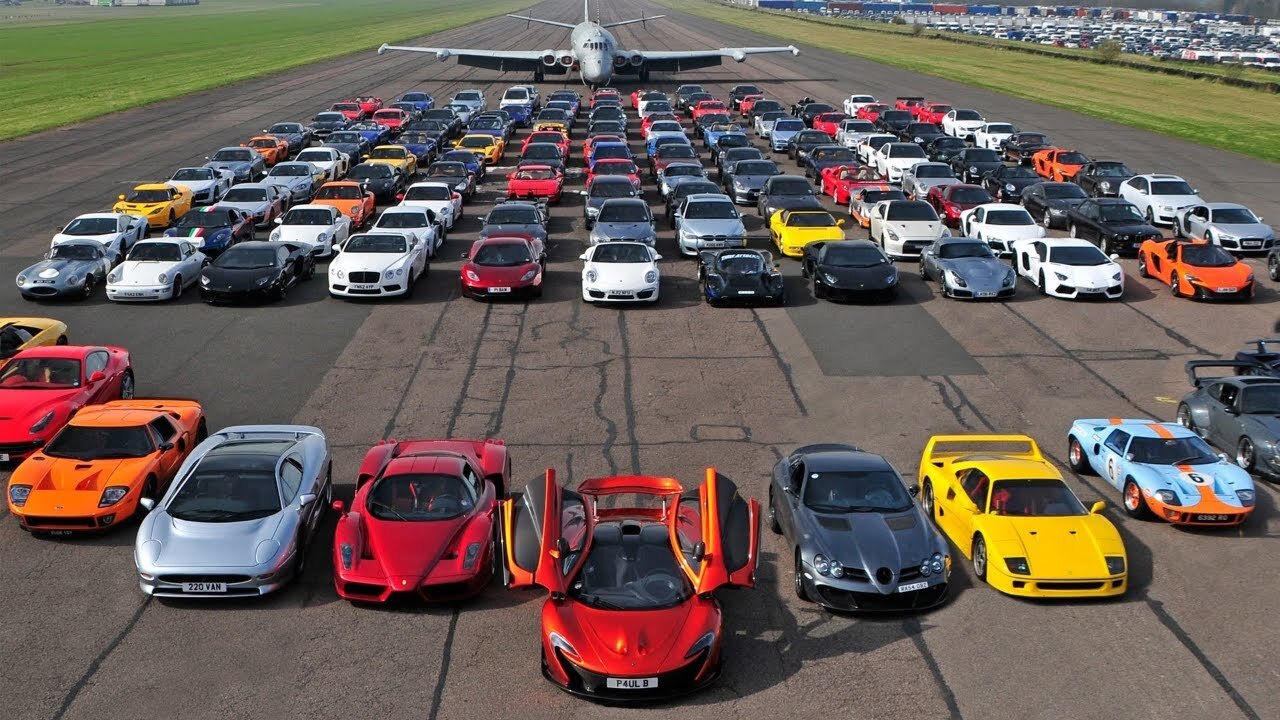
Tech moved forward, so sports car makers cared less about raw power, relying instead on smarter design. Starting in the ‘90s, companies began using turbos, swapping heavy parts for lighter ones, shaping bodies to slice through air, also weaving in electronics here and there. That drove Porsche, Ferrari, even Nissan to boost handling, cut gas use, improve response – all at the same time. Things like launch control, fast-shifting gearboxes, or adjustable dampers made intense machines harder under pressure – yet easier for average folks during everyday drives. This period brought strength blended with brains – not just blazing speed, but sharper cornering, steady steering, true accuracy.
Hybrid Performance: The Bridge to Electrification
Cars in the 2010s started mixing power sources, bringing wild new speed beasts. Instead of just fuel engines, models like the Porsche 918 Spyder, McLaren P1, or the Ferrari LaFerrari used electric help – giving quick boost while sipping less gas. These rides proved eco tech isn’t weak – it adds muscle and pace. That shift paved the way for fully charged versions down the road. Over time, a truth stood out: going electric isn’t losing anything – it’s designing better.
Electric Sports Cars: Speed and Innovation Redefined
Nowadays, electric sports cars show huge progress in auto engineering. Check out models like the Tesla Roadster, Porsche Taycan Turbo S, or Rimac Nevera – they outrun standard petrol engines in speed, acceleration, besides energy use. Right-off power delivery, quieter operation, combined with modern battery setups offer something new behind the wheel. Beyond this, better body designs reduce wind resistance whereas balanced weight boosts overall handling.
The Role of Software and Intelligent Systems
More than just engines, advanced technology is accelerating the evolution of cars. Thanks to adaptive software, driving settings can be adjusted on the fly to ensure safety. Updates are delivered via wireless signals, rather than through workshop visits. While racing on a circuit, data flows continuously, refining responses in real time. This proves that the racing engine of the future depends on its programming.
Final Thoughts
The shift from fuel-guzzling powered cars to electric models has demonstrated how progress is on the horizon. While speed remains paramount, recent updates focus more on efficient energy handling, sharp handling, and improved environmental impact. As technology advances, today’s popular vehicles blend classic flair with modern twists. Navigate a challenging yet conscious path toward the roads of the future.